
From Protest to Policy: 10 Essential Steps for Grassroots Advocates to Turn Advocacy into Legislation

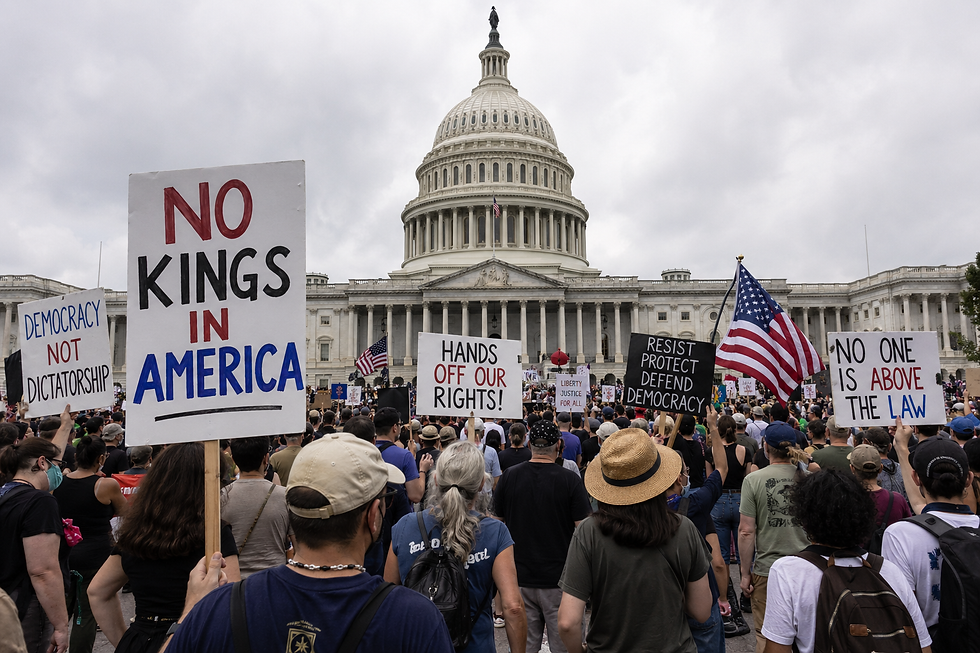
Protests are powerful expressions of public will, but they often stop short of creating lasting change. For grassroots advocates, the challenge lies in transforming the energy and visibility of protests into concrete legislation. Protest is a form of social capital that carries real value and influence, but to convert that into policy, organizers must prepare strategically before stepping onto the streets. This post offers ten practical steps for leaders who want their advocacy to move beyond symbolic gestures and achieve meaningful legislative outcomes.
“The first step in community organization is community disorganization.”
— Saul Alinsky, Rules for Radicals
This quote reminds us that change starts by shaking up the status quo, but to build something new, you need a clear plan and strong foundations.
1. Define Clear, Achievable Goals
Before organizing any protest, clarify what you want to accomplish. Is it passing a specific law, changing a policy, or raising awareness to build pressure? Goals should be specific, measurable, and realistic. For example, instead of demanding “justice,” focus on “passing a local ordinance to ban single-use plastics by next year.” Clear goals guide your strategy and help measure success.
2. Research the Legislative Process
Understand how laws are made in your area. Identify which government bodies have the power to enact your desired change and learn their timelines and procedures. Knowing when and where to apply pressure ensures your efforts align with the legislative calendar, increasing your chances of success.
3. Build a Diverse Coalition
Effective advocacy requires broad support. Reach out to community groups, nonprofits, experts, and even sympathetic officials. A diverse coalition brings different skills, resources, and networks. For example, partnering with environmental groups, local businesses, and health advocates can strengthen a campaign to improve air quality regulations.
4. Develop a Strong Message
Craft a clear, compelling message that resonates with the public and policymakers. Use facts, personal stories, and visuals to make your case. Avoid jargon and keep your message consistent across all platforms. A strong narrative helps build empathy and urgency around your cause.
5. Engage with Policymakers Early
Don’t wait until after the protest to talk to elected officials. Schedule meetings, send letters, and invite them to community events. Building relationships early can open doors and create allies inside the system. When policymakers see you as organized and reasonable, they are more likely to listen.
6. Prepare Your Protest Logistics Thoroughly
Plan every detail of your protest carefully: permits, routes, safety measures, communication channels, and volunteer roles. A well-organized event shows professionalism and respect for the community, which can influence public opinion and media coverage positively.
7. Use Data and Evidence to Support Your Cause
Gather statistics, research studies, and expert opinions that back your demands. For instance, if advocating for better public transportation, present data on traffic congestion, pollution, and economic benefits. Evidence strengthens your credibility and counters opposition arguments.
8. Mobilize Media and Public Attention
Engage local journalists, bloggers, and social media influencers to cover your protest and cause. Prepare press releases and media kits with key information and visuals. Effective media outreach amplifies your message and puts pressure on decision-makers.
9. Plan Follow-Up Actions
A protest is just one step. Plan what comes next: petitions, town hall meetings, lobbying days, or community workshops. Sustained pressure keeps your issue on the agenda and builds momentum toward legislative change.
10. Stay Flexible and Adapt
Advocacy is unpredictable. Be ready to adjust your tactics based on new information, political shifts, or feedback from your community. Flexibility helps you respond effectively and seize unexpected opportunities.
Turning protest into policy requires more than passion; it demands strategy, persistence, and collaboration. By following these ten steps, grassroots leaders can transform their social capital into real political power and create lasting change.


Comments