
Awakening Social Consciousness: Lessons from History for a Better Future

The world continues to witness acts of hatred, prejudice, and division, despite living in what many call a civilization. Observing such inhumanity raises a pressing question: why do these patterns persist? This post explores the awakening of social consciousness, sparked by moments of deep awareness, and reflects on lessons from historical figures who challenged injustice. It also considers how humanity can build a future rooted in respect, resilience, and shared power.

The Moment of Awareness
The awakening of social consciousness often begins with a stark realization of injustice. Witnessing violence, segregation, or cruelty can shake one’s understanding of society. For example, seeing German Shepherd dogs attack peaceful protesters or fire hoses used against people standing for their rights reveals a brutal truth: power is often wielded to oppress rather than protect.
This moment of awareness is not just about recognizing cruelty but questioning its root causes. Why do people turn against each other? Why do divisions based on ignorance and fear persist? These questions lead to a deeper inquiry about the structures that maintain inequality and violence.
Understanding Power and Its Impact
Power has long been a central theme in human history. Too often, it has meant control over others, building empires at the expense of lives and dignity. This destructive use of power fuels hatred and segregation, creating cycles of violence that seem impossible to break.
Yet, power can also be a force for good. The challenge lies in redefining power to value humanity and life. This means shifting from domination to collaboration, from fear to empathy. It requires building systems that support justice, equality, and peace.
Learning from Historical Leaders
History offers powerful examples of individuals who embodied this transformative power. Mahatma Gandhi, Martin Luther King Jr., and Nelson Mandela each showed how nonviolent resistance and deep moral conviction can challenge injustice and inspire change.
Mahatma Gandhi taught that true power comes from self-discipline and love, not force. His philosophy of nonviolence (ahimsa) demonstrated that peaceful protest could dismantle oppressive systems.
Martin Luther King Jr. built on this legacy, advocating for civil rights through peaceful marches and powerful speeches. His vision emphasized dignity and equality for all.
Nelson Mandela showed resilience in the face of imprisonment and hatred, ultimately leading South Africa toward reconciliation and democracy.
These leaders created ecosystems of resilient transcendence—communities and movements that could withstand oppression and grow stronger through shared purpose.
Insights from Howard Thurman’s Work
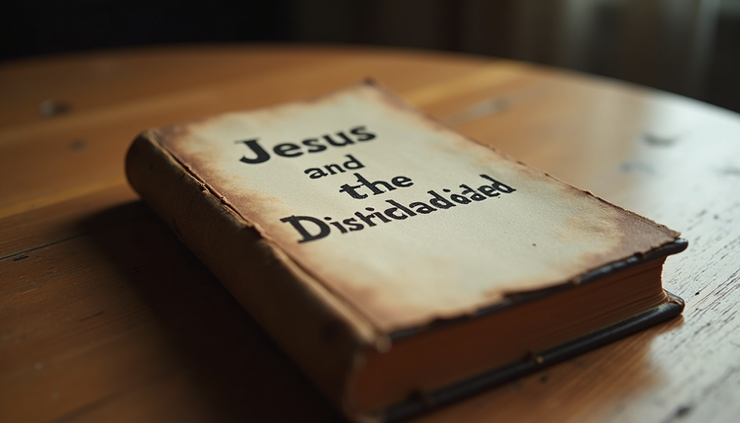
Howard Thurman’s book Jesus and the Disinherited offers key insights into how oppressed people can find strength and hope. Thurman emphasizes the importance of inner spiritual resources and the courage to resist injustice without replicating violence.
His work suggests that transformative change is possible when people:
Recognize their shared humanity
Build communities based on mutual respect
Use nonviolent methods to confront oppression
These tools are not about creating a perfect world but about making meaningful progress toward justice and peace.
Building a Future Beyond Division
The ongoing challenge is how to create a world where social consciousness leads to lasting change. This requires:
Education that fosters empathy and critical thinking
Dialogue across differences to break down ignorance and fear
Policies that promote equity and protect human rights
Community action that empowers people to participate in shaping their societies
By learning from history and embracing the tools of nonviolence, respect, and resilience, humanity can move beyond cycles of hatred and division.
Comments